
Choosing energy-efficient windows and doors is not only beneficial for reducing energy costs but also for enhancing the comfort and sustainability of your home. Here’s a detailed guide to help you make informed decisions:
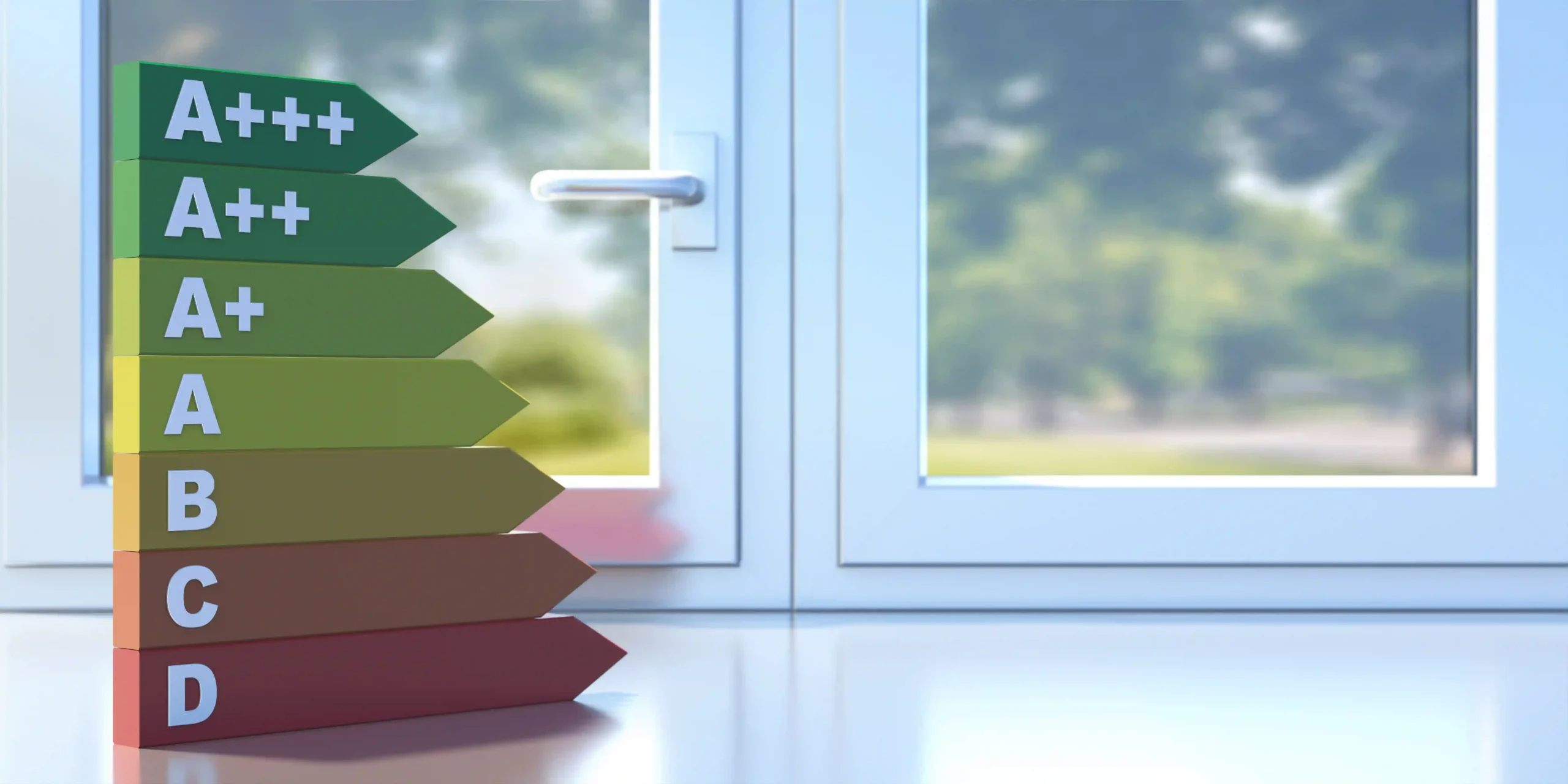
Understanding Energy Efficiency Ratings
U-Factor
The U-factor measures how well a window or door prevents heat from escaping. A lower U-factor indicates better insulation, making it ideal for colder climates.
Solar Heat Gain Coefficient (SHGC)
SHGC measures how much solar radiation passes through a window or door. A lower SHGC is beneficial in warm climates to reduce heat gain and reliance on air conditioning.
Visible Transmittance (VT)
VT measures how much light passes through a window or door. Higher VT values mean more natural light indoors, which can reduce the need for artificial lighting during the day.

Types of Energy-Efficient Windows
Double-Pane and Triple-Pane Windows
Double-pane windows have two layers of glass with a space in between, filled with air or gas for insulation. Triple-pane windows add an additional layer for even better insulation, suitable for colder climates and noise reduction.
Low-E Coatings
Low-emissivity (Low-E) coatings are thin layers applied to window glass to reduce heat transfer. They reflect infrared light while allowing visible light to pass through, improving energy efficiency.
Gas Fills (Argon or Krypton)
Gas fills such as argon or krypton are inserted between window panes to enhance insulation. These gases have higher density than air, reducing heat transfer and improving thermal efficiency.

Choosing Energy-Efficient Doors
Material Selection
Select doors made from energy-efficient materials such as fiberglass or insulated steel, which provide better insulation than traditional wood doors. Consider durability, maintenance requirements, and aesthetic preferences.
Insulation and Weatherstripping
Ensure doors have adequate insulation and tight weatherstripping to prevent air leaks around edges and frames. Look for ENERGY STAR certified doors for verified energy efficiency performance.
certified doors for verified energy efficiency performance.Consideration of Style and Functionality
Choose door styles that complement your home’s architecture and personal taste. Consider features like sidelights or transoms for additional natural light and multipoint locking systems for enhanced security.
By following this guide, you can confidently choose windows and doors that enhance energy efficiency, improve indoor comfort, and contribute to long-term energy savings. Evaluate your climate conditions, energy efficiency ratings, and specific preferences to make the best choices for your home. T.O.B.I. Home Service offers expert installation services for energy-efficient windows and doors. Contact us today to enhance your home’s efficiency and comfort.